
The Subsurface Intelligence Gap
Subject: Strategic Research: Closing the Subsurface Intelligence Gap in Urban Infrastructure
While modern nations have made immense progress digitizing above-ground assets, the subsurface environment remains a critical blind spot for public policy and capital governance.
In this strategic paper, The Subsurface Intelligence Gap, Dr. Anirudha Kale (Founder & CEO of GeoIntelliX Global) examines why cities and industries continue to invest in underground infrastructure they cannot reliably see, coordinate, or protect.
The paper outlines how fragmented utility records and the "As-Built Reality Gap" translate directly into structural operational risks and compounding fiscal waste across investment cycles. It provides a strategic roadmap for moving beyond static records toward an authoritative, cross-departmental subsurface intelligence ecosystem.

National Infrastructure Governance 2035: Beyond the Build Era
National Infrastructure Governance 2035: Beyond the Build Era
For much of the modern era, national infrastructure policy has been defined by a single imperative: build. Expand capacity, connect regions, and establish the physical foundations of national prosperity.
Yet beneath this mandate lies a deeper, emerging vulnerability. Infrastructure created today will remain in service for decades, often outlasting the institutions, project teams, information systems, and technologies that built it. While physical assets endure, the knowledge required to understand, operate, maintain, and govern them gradually fragments.
This raises a fundamental question for modern statecraft: Can a nation govern infrastructure it cannot continuously understand?
By 2035, infrastructure leadership will no longer be judged solely by how much a nation constructs, but by how confidently it can answer five essential questions:
What exists?
What can be trusted?
How is it connected?
What could happen next?
Who is capable of acting on that knowledge?
True resilience requires moving beyond project delivery toward continuous infrastructure stewardship, ensuring that every physical asset is matched by a durable, sovereign body of trusted intelligence.

The As-built Reality Gap
Infrastructure projects are designed, constructed, inspected and handed over with extensive as-built documentation. Yet one fundamental question is rarely asked: does the as-built record actually represent what exists?
Construction changes, undocumented modifications, incomplete surveys and disconnected records can create a persistent gap between documented infrastructure and physical reality. For infrastructure owners, this is not simply an information-quality issue, it can influence safety, maintenance, capital investment, operational decisions and the reliability of digital transformation.
An as-built tells us what was recorded. Verification asks whether what was recorded corresponds to reality.
As infrastructure moves toward digital twins, predictive analytics and AI, confidence in the underlying physical asset becomes increasingly critical. Digital intelligence cannot compensate for uncertainty in the reality it represents.
The future requirement is therefore not simply better as-builts. It is verified infrastructure reality, the foundation for trusted infrastructure intelligence.

The Shift from Reactive to Anticipatory Infrastructure
Infrastructure has traditionally been managed by responding to what has already happened.
Assets are inspected. Defects are identified. Failures are investigated. Maintenance is scheduled. Capital is committed when deterioration becomes visible or risk becomes difficult to ignore.
But infrastructure is becoming more connected, interdependent and exposed to changing operating and environmental conditions.
The critical question is no longer simply:
What happened?
It is:
What is changing, what is likely to happen next, and what should we do before it becomes a problem?
This marks a fundamental shift, from reactive infrastructure management toward anticipatory infrastructure intelligence.
Predictive analytics and AI can reveal patterns, trajectories and emerging risks. But prediction is only valuable when it changes a decision early enough to matter, and only as reliable as the infrastructure information on which it is based.
The strategic opportunity is therefore not to predict everything.
It is to know enough, early enough, to make the better decision.

The National Infrastructure Intelligence Imperative
National infrastructure operates as a single, interconnected ecosystem, yet its governance remains rigidly siloed across transport, energy, and water authorities. This creates a critical strategic blind spot for modern governance.
In this briefing paper, The National Infrastructure Intelligence Imperative, examines the shift from infrastructure ownership to infrastructure understanding. The paper introduces the Reality-to-Decision Chain, a framework designed to help sovereign leadership transform massive, fragmented data pipelines into high-confidence strategic foresight, ensuring resilient capital allocation.
ARTICLES
-

Aviation & Airport
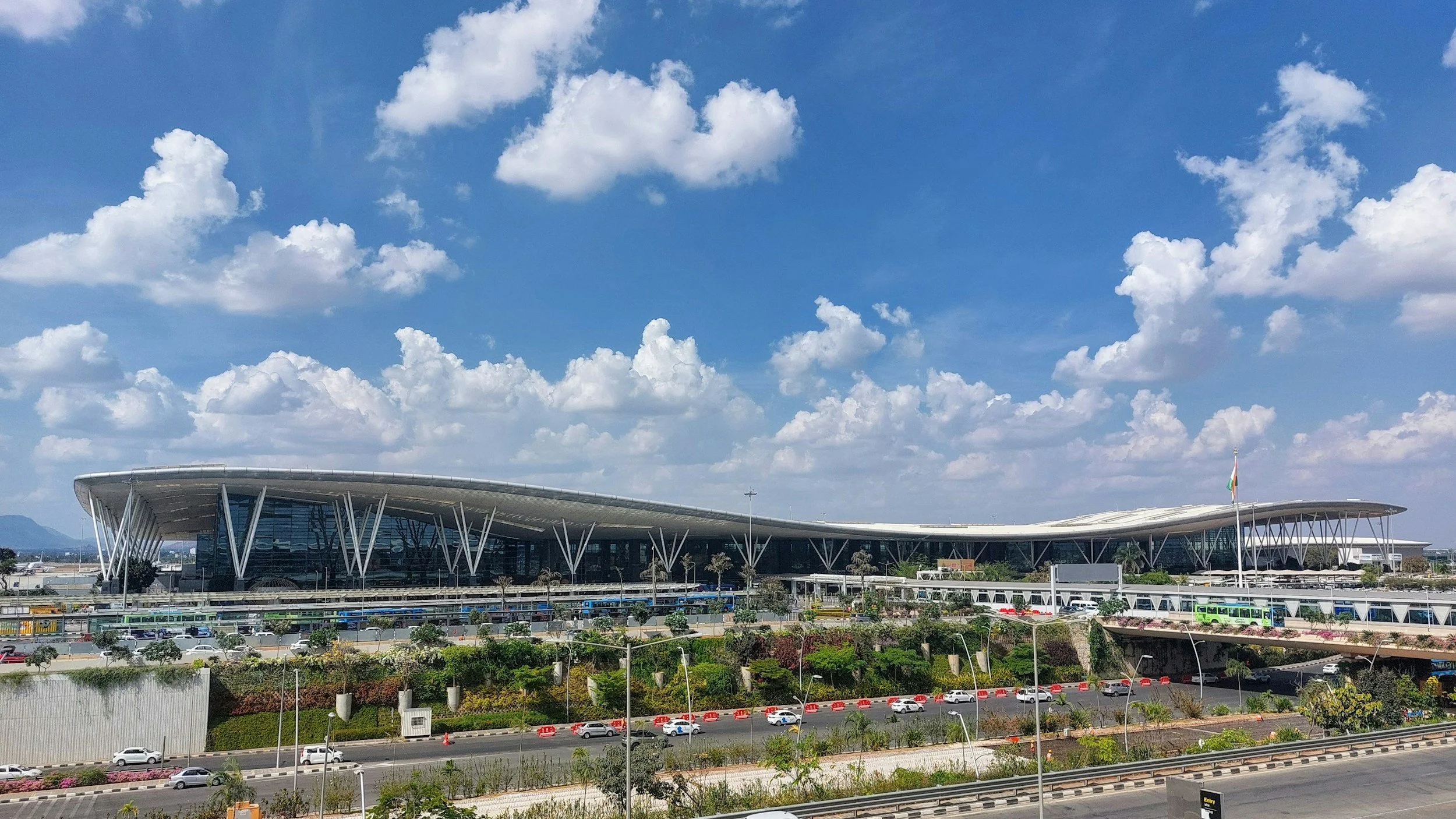
Airport Infrastructure Intelligence: Mapping Surface & Subsurface Utilities Across Terminals, Airside, and Passenger Facilities
-

Aviation & Airport
Predictive Runway & Airside Pavement Intelligence: Applying InSAR, Subsurface GPR, and Geospatial AI to Eliminate Unscheduled Airfield Closures
-
Aviation & Airport
Airport Digital Twin Readiness: An Executive Framework for Evaluating Spatial Data Maturity and Predictive AI Capabilities in Modern Aviation Hubs.
-

Rail & Metro
Rail & Metro Digital Twin Readiness: An Executive Evaluation Framework for Unifying Network Geometry, Asset Data, and Predictive Transit Analytics.
-

Rail & Metro
Corridor Intelligence for Network Modernization: Strategic Spatial Analytics for High-Speed Rail, Freight, and Transit Corridors
-

Rail & Metro
Infrastructure Reality Intelligence for Rail Assets:Deploying High-Density Mobile LiDAR and Automated Feature Extraction for Trackside Asset Verification
-
Ports & Maritime
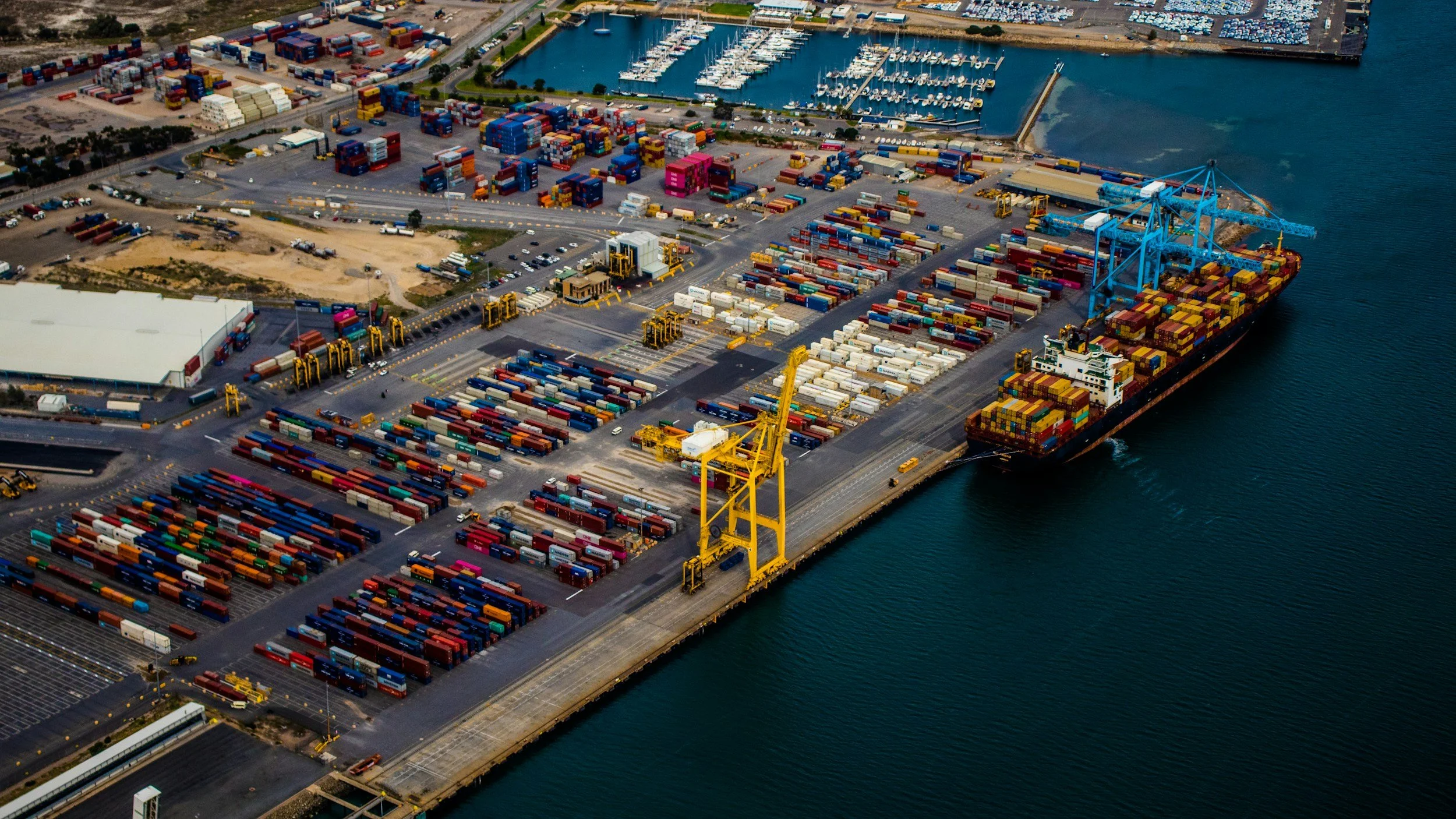
Port Land, Asset & Infrastructure Intelligence: Unifying Intermodal Spatial Data, Subsurface Utilities, and Waterfront Real Estate Baselines
-

Ports & Maritime
Port Digital Twin Readiness & Hydrographic Intelligence: Integrating Land Realities with Precision Bathymetric Surveys for Coastal Resilience
-

Highways & Bridges
Highway & Bridge Asset Intelligence: Unifying Linear Pavement Data, Structural Inventories, and Right-of-Way Spatial Baselines
-

Highways & Bridges
Bridge, Tunnel & Civil Structure Intelligence: Applying InSAR, Mobile LiDAR, and Predictive AI to Intercept Structural Deformations Before Surface Failure
-

Highways & Bridges
Corridor, Right-of-Way & Land Management Intelligence: A Strategic Framework for Encroachment Detection, Cadastral Alignment, and Sovereign Asset Protection.
-
Energy & Industries
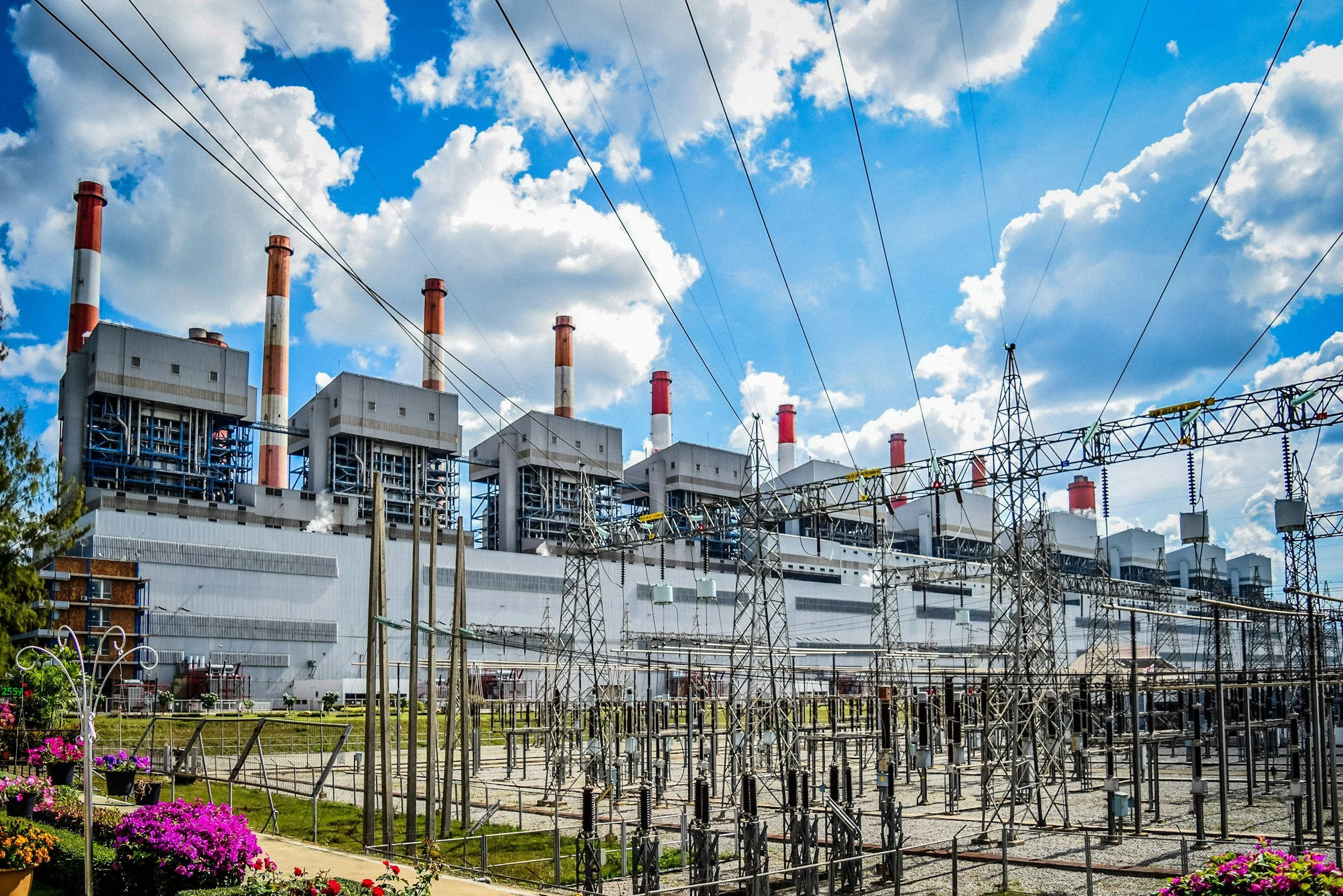
Pipeline & Corridor Infrastructure Intelligence: Energy Asset Integrity & Predictive Intelligence
-

Renewable Energy
Grid & Renewable Infrastructure Integration
-
Industrial Parks
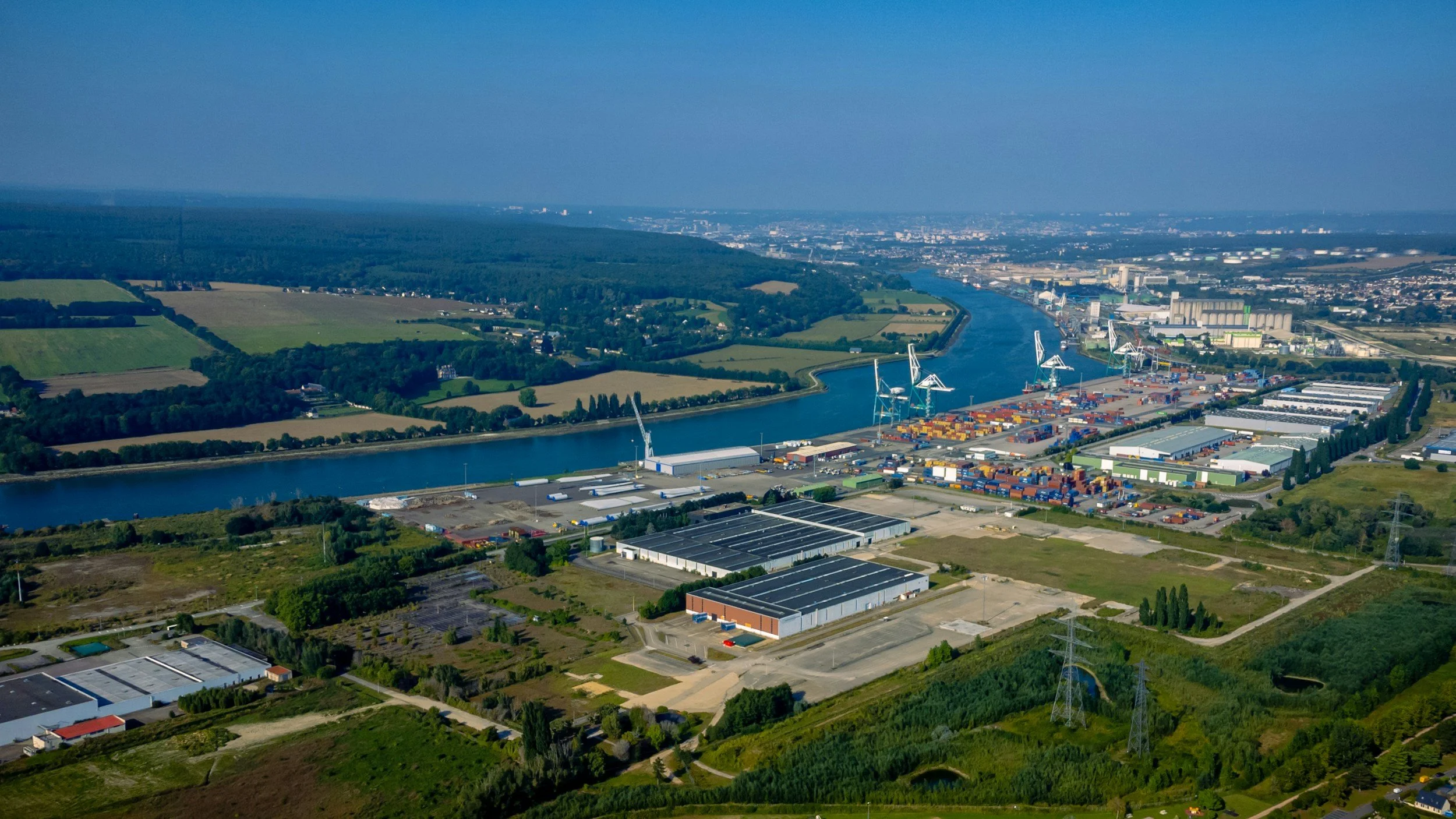
From Industrial Land to Intelligent Industrial Ecosystems
-

Industrial Parks
Building the Infrastructure Intelligence Foundation for Industrial Parks
-
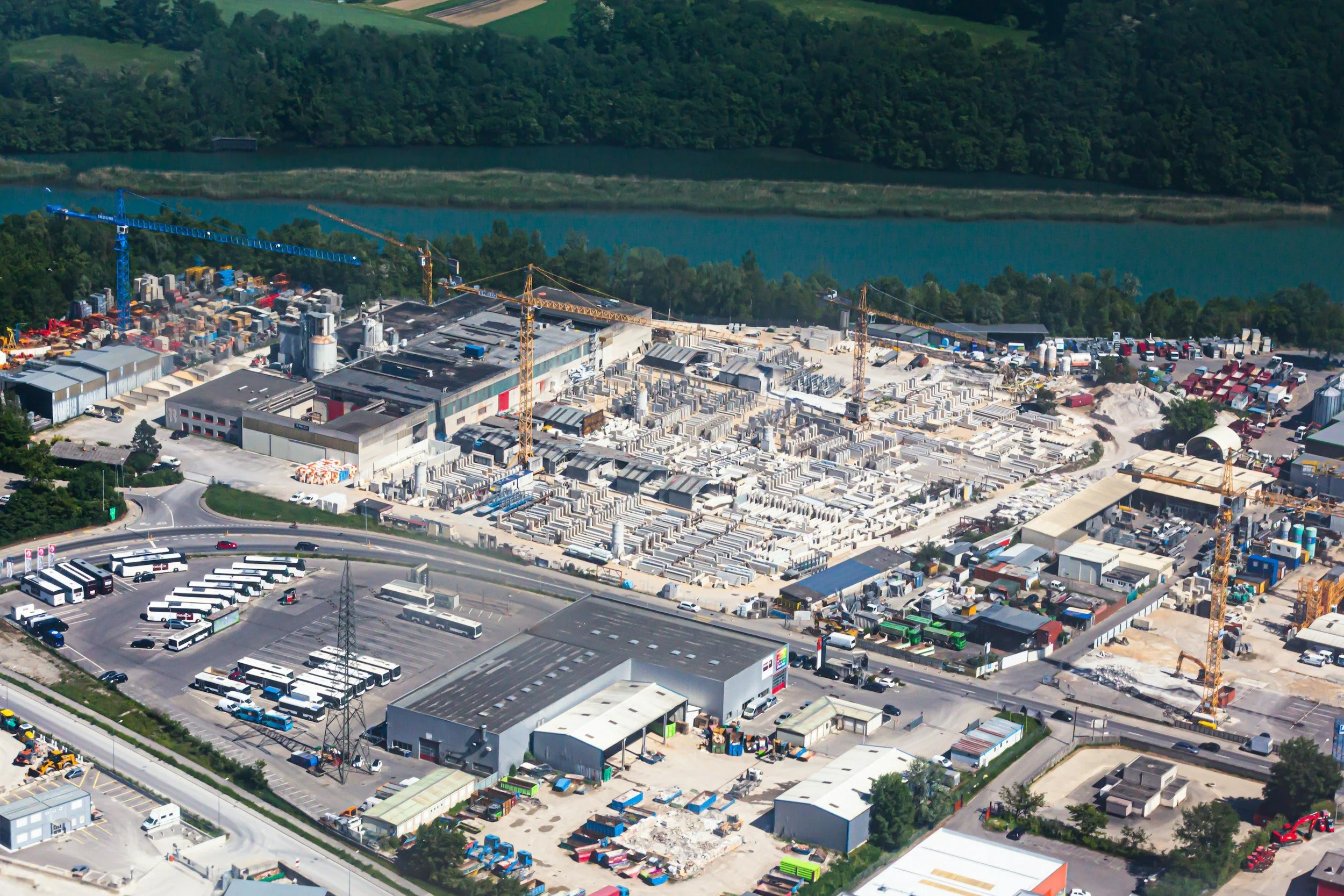
Industrial Parks
Digital Twins for Industrial Infrastructure: From Data to Decision Intelligence
-

Cities & megacities
Making the Invisible Utility Network Visible
-

Cities & Megacities
Building the Intelligence Foundation for Future-Ready Cities
-
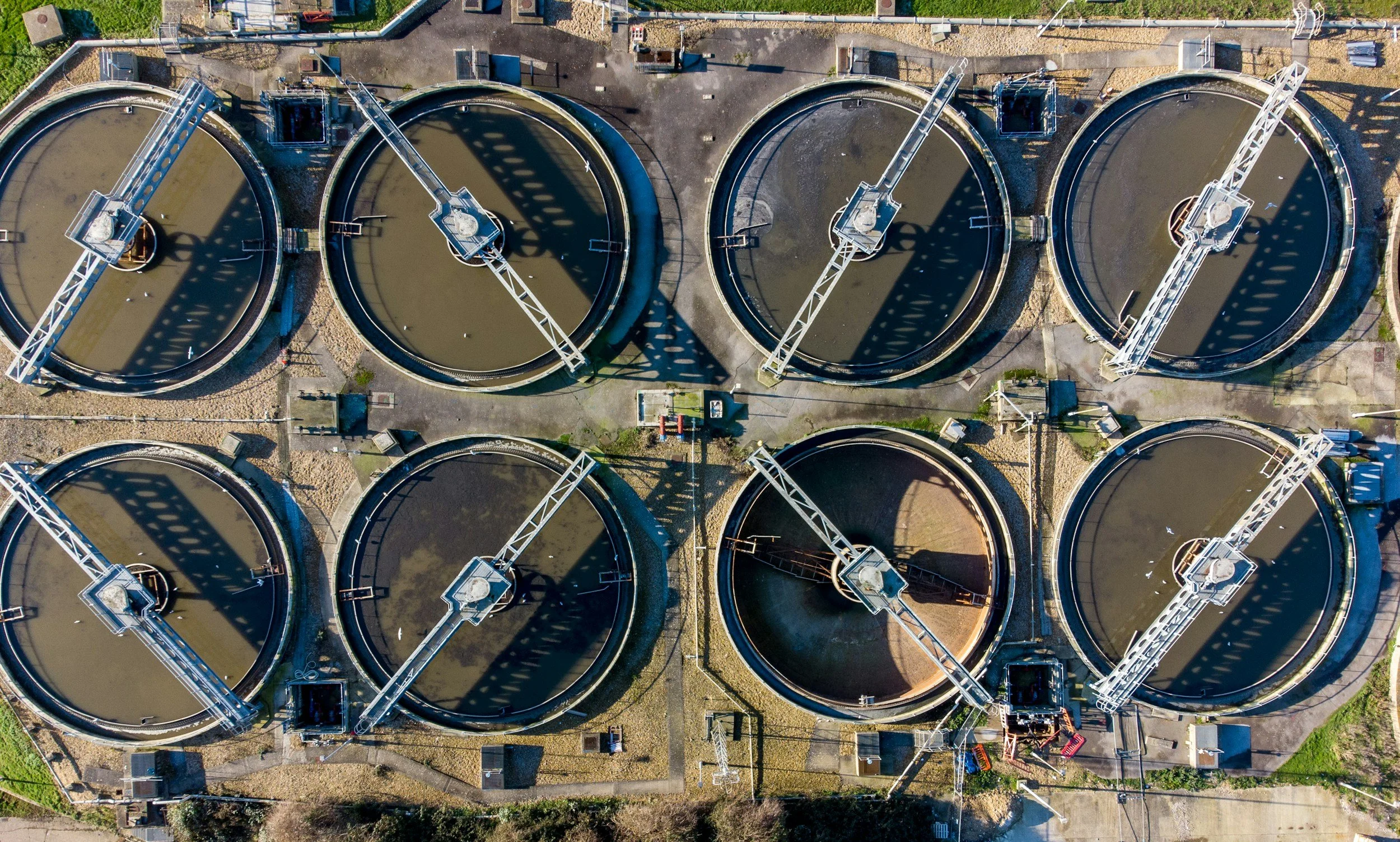
Utilities & Water
From Connected Utilities to Predictive Infrastructure Intelligence
-
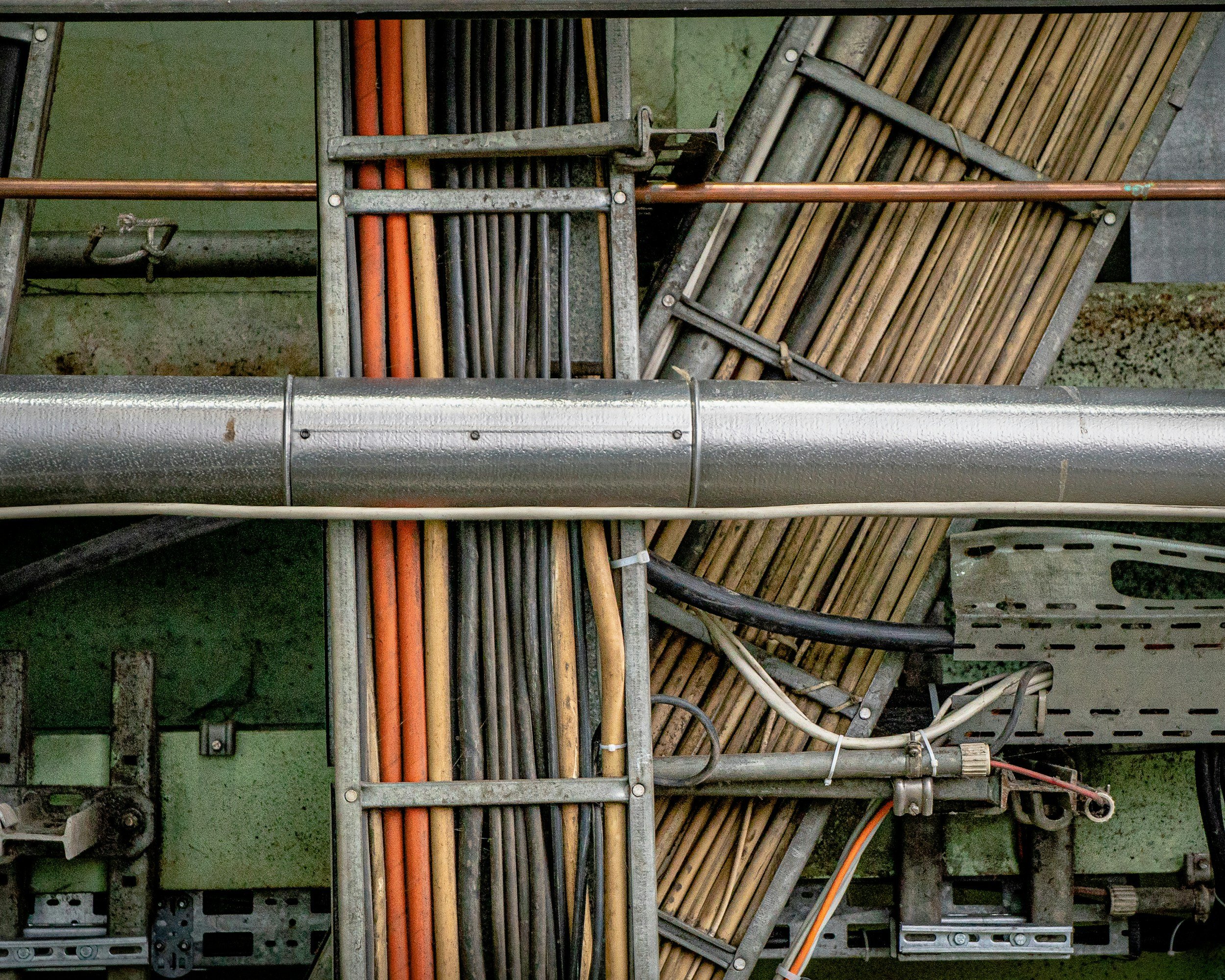
Utilities & Water
Building the Intelligence Foundation for Water & Utility Security
-

Hospitals & healthcare
Standardizing the Information Ecosystem of Complex Hospitals
-

Hospitals & Healthcare
From Design Intent to Operational Intelligence
-

Industry Blogs
Next-Generation Remote Sensing: Exploring the Future of Predictive Technology, Digital Assets, and Data Compliance
-

Industry Blogs
Climate Risk & Critical Infrastructure: Decarbonization, Resilience, and Adaptation
-

Industry Blogs
Renewable Energy Site & Asset Intelligence: Renewable Asset Predictive Intelligence & Energy Transition Trends
-

Industry Blogs
Subsurface & Underground Intelligence: Digital Twin Strategy and Data Credibility
-

Industry Blogs
Building the Workforce for Intelligent Healthcare Infrastructure